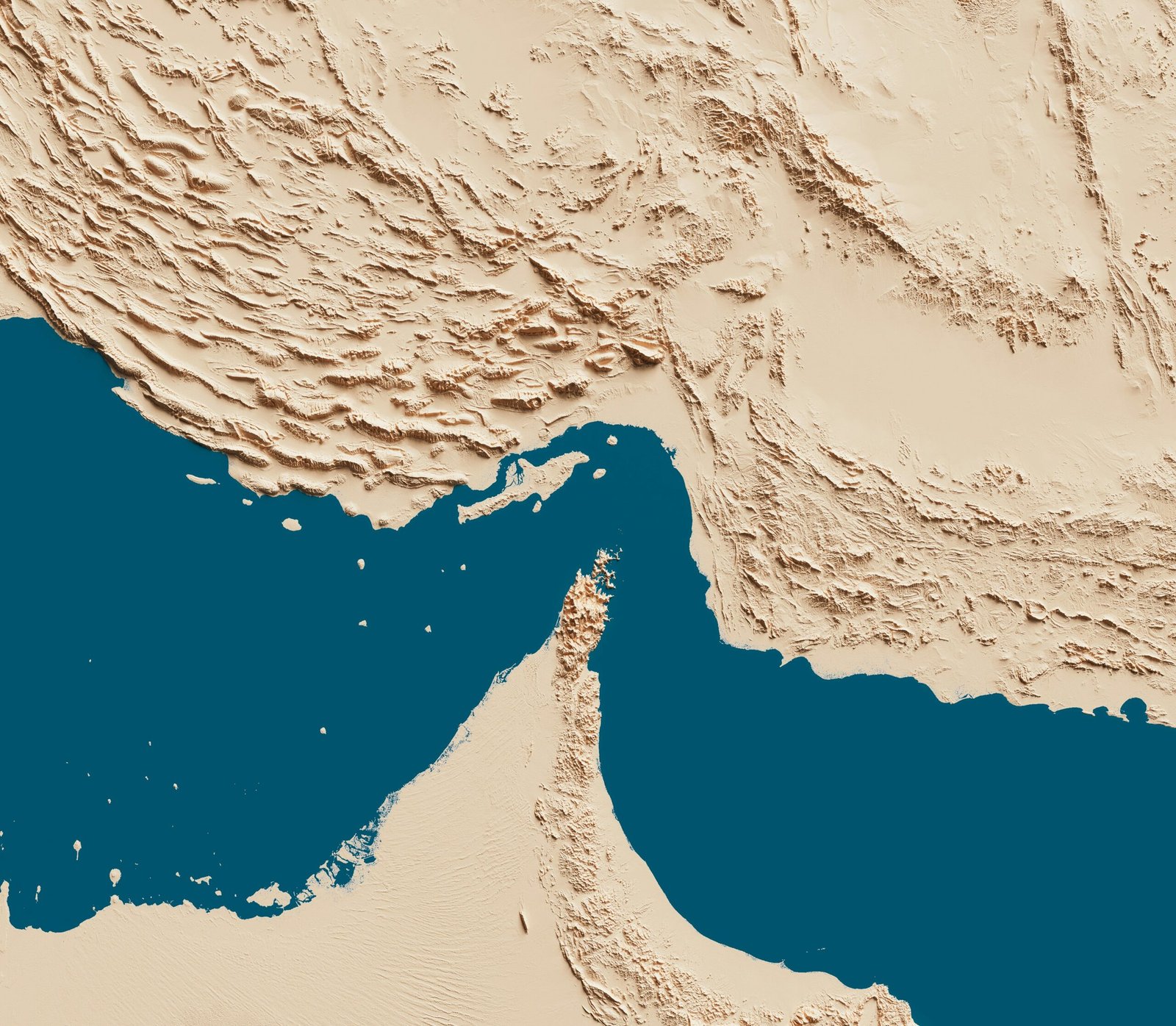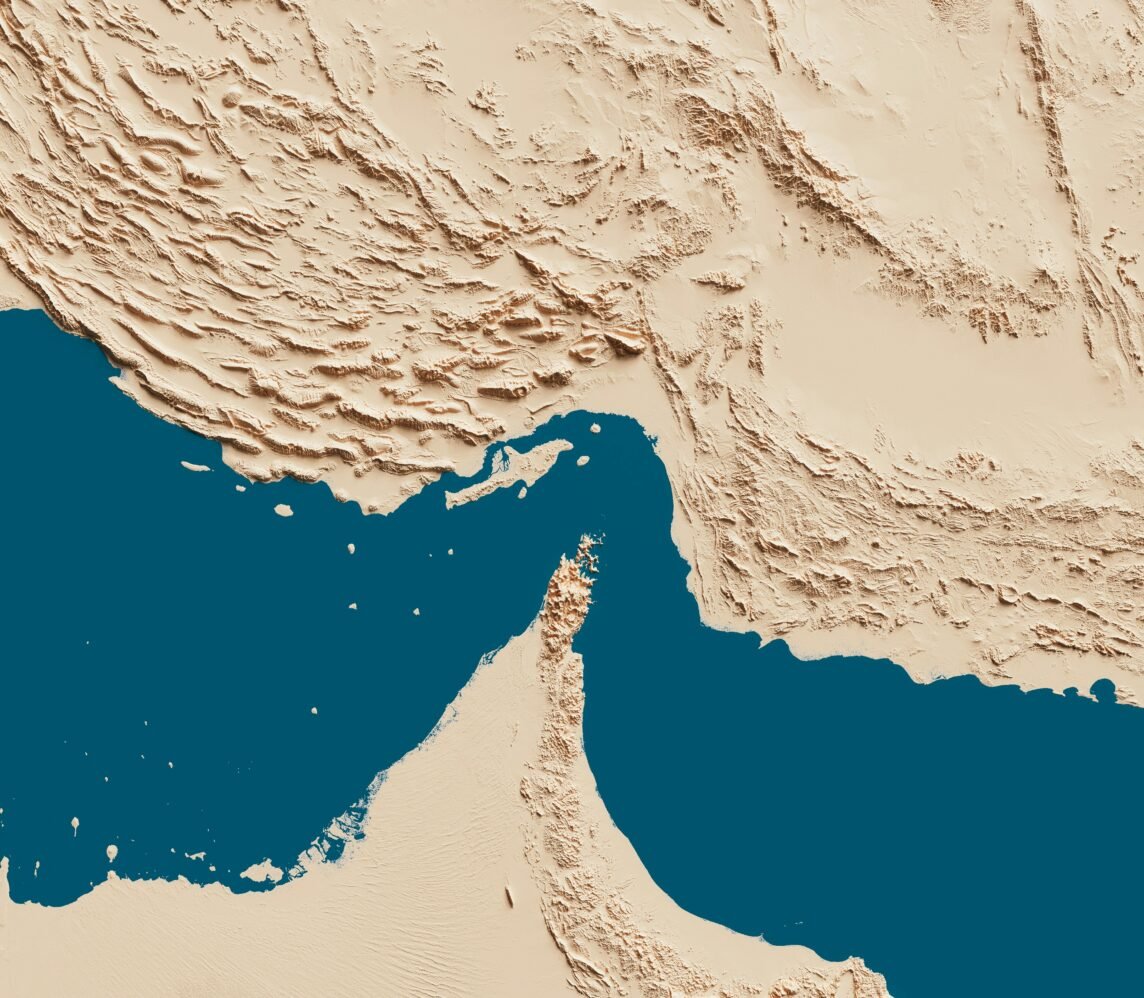
Reports indicate that leading European states now privately regard the introduction of some form of passage fee for the Strait of Hormuz as “almost inevitable” once the conflict is finally resolved — a notable shift from the position maintained throughout the war, when the United States and Gulf Arab states publicly insisted that any such fee would be unlawful. No formal scheme has yet been adopted, but Members with vessels trading in or planning to trade through the Strait should begin considering the practical and compliance implications now, rather than after any scheme takes effect.
Following the outbreak of hostilities between the United States, Israel and Iran on 28 February 2026, transit through the Strait of Hormuz fell sharply, with reports indicating a reduction of over 95% at the height of the conflict.
On 23 June 2026, Iran and Oman issued a joint statement agreeing to maintain dialogue through a joint working group on the future management of, and services relating to, the Strait. Iran subsequently announced the establishment of the Persian Gulf Strait Authority (“PGSA”), a body which requires transiting vessels to obtain a passage permit and to hold PGSA-approved hull war voyage insurance; the PGSA has itself been designated by both the United States and the European Union. On 29 June, Oman’s Foreign Minister stated publicly that Oman does not support the imposition of a passage fee as such, though he did not rule out a “navigational safety fee” modelled on arrangements in other straits. On 30 June, it was reported that Oman had submitted a formal proposal to the United States and other Western allies, understood to draw on the Malacca and Singapore Straits model, under which shipping companies would pay for services on a nominally voluntary basis. Bloomberg subsequently reported that, notwithstanding the continued public opposition of the United States and Gulf Arab states, several leading European states privately regard some form of fee arrangement as likely once a permanent settlement is reached. The 60-day free-passage window under the US-Iran memorandum of understanding is due to expire around 17 August 2026.
The compliance difficulty
Whatever form any eventual arrangement takes, Members should be aware that the compliance analysis does not depend solely on how the fee is characterised (toll, safety fee, or voluntary contribution). It depends on who receives the payment.
The PGSA is a designated entity under both the US and EU sanctions regimes. A payment made to, or through, the PGSA — even where the underlying fee is framed as a navigational safety charge, and even where payment is made only because a vessel cannot otherwise obtain a PGSA-approved insurance document required for passage — is capable of exposing the paying party, and potentially the Club, to sanctions risk. This is a materially different position from a fee paid to a non-designated Omani authority under a jointly agreed mechanism.
Members should not assume that a “voluntary” or nominally commercial characterisation of a fee removes this risk. Nor should Members assume that a scheme sanctioned by Oman is automatically free of exposure, given that Iran retains effective control over much of the Strait and any joint mechanism may still channel funds towards designated Iranian bodies.
Comment
Pending clarification of any final scheme, Members with vessels trading in or transiting the Strait of Hormuz should:
(i) confirm, before any payment is made, the precise identity of the receiving entity and cross-check this against current OFAC and EU designated persons lists — the identity of the counterparty, not the label attached to the fee, is determinative;
(ii) review current war risk arrangements for the Persian/Arabian Gulf, Strait of Hormuz and Gulf of Oman, noting that cover in this area remains subject to restricted terms and additional premium requirements which may change at short notice; and
(iii) treat any requirement to obtain PGSA-approved insurance as a red flag requiring immediate reference to the Club, rather than a routine documentary formality.
Given the fluidity of the negotiations and the potential for the position to change materially before the 17 August deadline, Members should speak to their usual contacts at the Club before committing to any voyage involving passage through the Strait.
The Power Front Ship Owner Mutual Insurance Association
Marine Risk & Claims Department